As published in Penstricken
The Word
of God should not be solely for the invited
Tablao
Teresa says it’s a special night. In addition to traditional Roma songs, they will adapt the works of Garcia Lorca in honor of the poet’s 120thbirthday.
The flamenco performance unfolds layer by layer. There is the guitarist, whose digits alight on the strings like a hummingbird. He is joined by a singer, the cantador, a male, drenched in sweat even as he sits. His forehead creases before he opens his mouth, water building up behind a dam before the gates are opened. Such power, such pain.
Teresa touches Francis’s forearm. He leans toward her. “Do you want me to interpret?” she asks.
He nods.
“This is a traditional soleá,” Teresa whispers, “To love is all up hill and to forget is all downhill; I want to go up hill even though it will cost me dearly.”
Teresa stops. The singer, performing his couplets acapella, now repeats the phrases, the tone and timing given slight alterations, nudges, as he goes.
The guitarist kicks in and the song changes. Teresa leans toward Francis again. “Every song is the remains of love,” Teresa whispers. “Every light the remains of time. A knot of time. And every sigh the remains of a cry.”
Francis feels like he knew this. The remains of the knot in his throat tell him so. He expels a breath. He feels raw, though he doesn’t know what brought this on. He wipes his eyes.
Their next song is a saeta, Teresa says. “It’s normally sung in the Holy Week procession,” she says. “It’s about the pain Mary feels as she stands below her Son on the cross. But here, in flamenco, the song is universal. The pain of Mary is every mother’s pain.”
Yet another of the Seven Sorrows. Francis dabs his eyes with a tissue. Pain, at once personal, is, here, public. Francis goes back in his mind to his tour with Marta at the Sagrada Familia. Gaudí understood this in his design of the church. To turn the inside out.
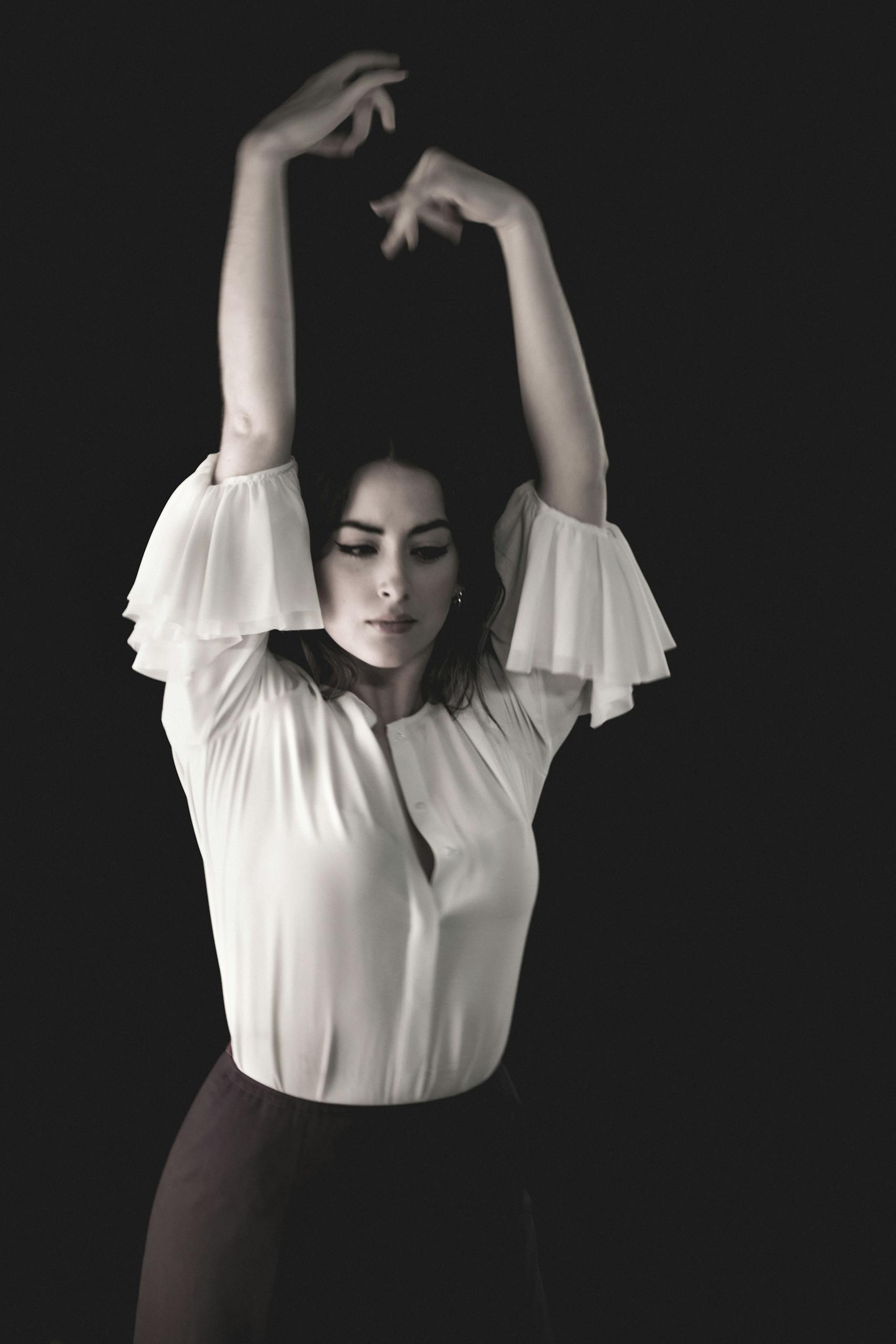
The pair on stage are joined by a dancer, a woman, but dressed in black trousers with a high waistband to accentuate her height and thin build. Her blouse is black and she wears a white waistcoat. The guitarist plays and the singer claps that alluring, complex, beautiful flamenco beat, and the dancer moves about the stage, thunderclaps emanating from her heels.
Then, the lead dancer comes forth, a matron of a woman, dressed in black, heavily made up. The three earlier performers are seated now, the stage belongs to its star. The guitarist plays, the singer sings, the dancer dances. The elements, like the clapping, don’t seem to go together, there’s something a tad off beat, but at its own pace it gels, the dancer seeming to have willed it together, with the curling, bending, weaving of her body, arms and hands.
And Teresa speaks again: “Like a snake my heart has shed its skin. I hold it here in my hand, full of honey and wounds.”
Francis knows this poem, its invocation of the roses that perfumed both Jesus and Satan, its acknowledgment change is a constant. Francis feels himself argue against such change. The snake that sheds his skin is still a snake. But remembers God himself told Ezekiel: “I will give you a new heart and place a new spirit within you.” What does it feel like to shed one’s skin?
There’s a movement the dancer makes with her hands and arms. A twisting, snaking movement of the wrist, fingers together. Hands, arms open, ready for the next move, for whatever follows, to possibility, to dance and art and history and whatever it is outside of one that is great that then becomes hers and, by extension, the audience’s, his. Francis. He is now crying now. He is spent. The show ends. He thanks Teresa and takes the subway home, exits onto a street under a night sky still full of day.
More from Raymond



News and events

Get in touch
I’d love to hear about opportunities to work together.